Small molecules are one of the most widely studied classes of compounds in laboratory research. These low-molecular-weight chemical structures are essential for understanding cellular signaling, biochemical reactions, and molecular interactions across biological systems.
In research environments, small molecules are often studied alongside peptides and proteins to investigate how different types of compounds influence biological pathways at a mechanistic level.
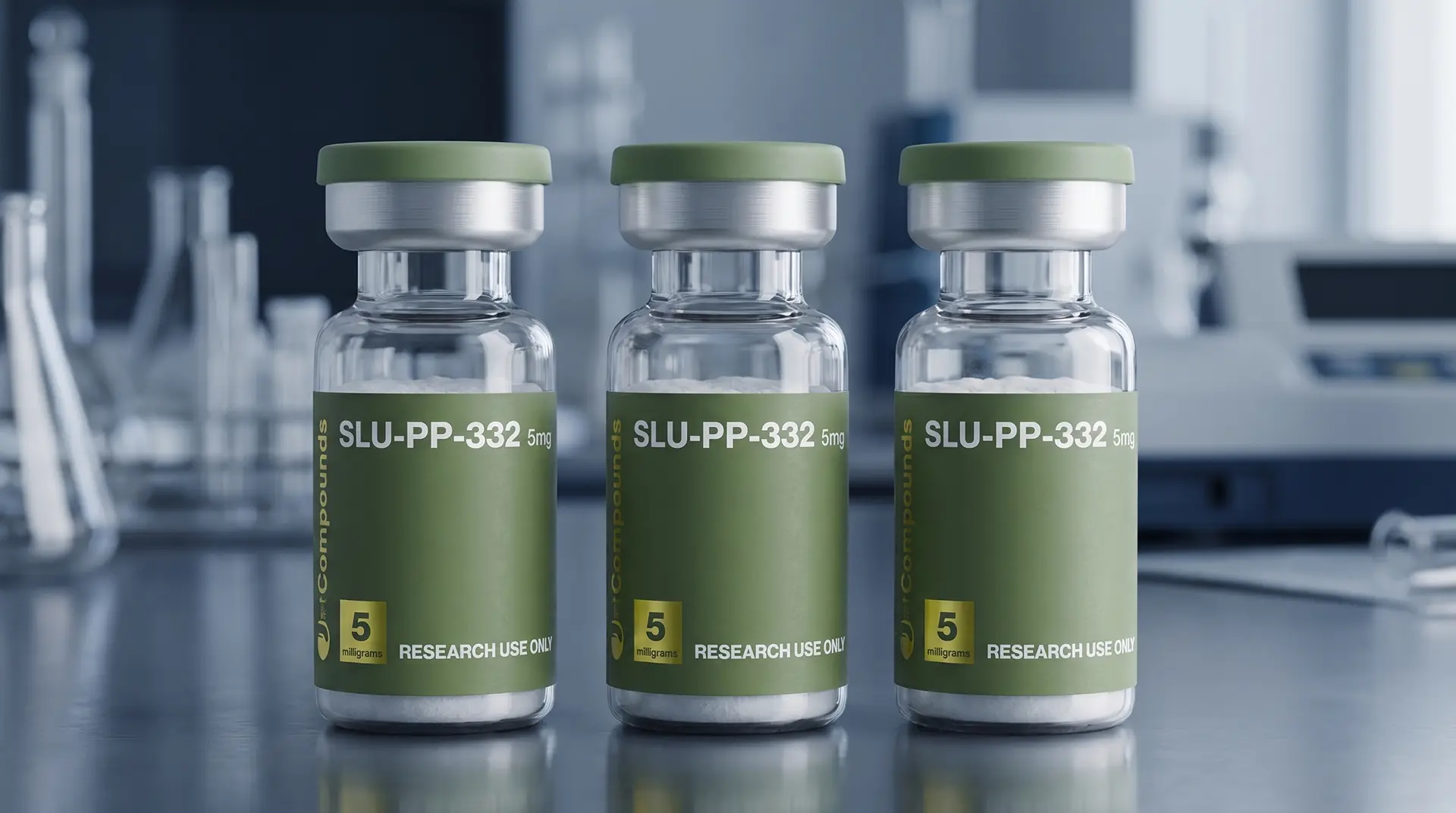
What Are Small Molecules? Small molecules are low-molecular-weight organic or inorganic compounds that typically have a molecular weight below 900 Daltons. They are characterized by: Simple chemical structures High membrane permeability Ability to interact with specific biological targets Rapid absorption and diffusion in experimental systems Because of their size and structure, small molecules can influence […]
Small molecules are low-molecular-weight organic or inorganic compounds that typically have a molecular weight below 900 Daltons.
They are characterized by:
Because of their size and structure, small molecules can influence cellular processes in highly specific ways.
Small molecules typically function by binding to proteins, receptors, or enzymes, thereby altering their activity.
Common mechanisms include:
These interactions make them powerful tools in molecular and cellular research.
Although both are used in research, small molecules and peptides differ significantly in structure and function.
| Feature | Small Molecules | Peptides |
| Size | Very small (<900 Da) | Short amino acid chains |
| Structure | Simple chemical structures | Amino acid-based chains |
| Stability | Generally stable | More sensitive to environment |
| Target Interaction | Enzymes, receptors | Receptor signaling pathways |
| Function | Broad biochemical modulation | Specific signaling roles |
Small molecules often provide broader biological effects, while peptides offer more targeted signaling specificity.
Small molecules are used across a wide range of scientific disciplines due to their versatility and stability.
Researchers use small molecules to understand how enzymes are activated or inhibited within biological systems.
Small molecules help modulate signaling pathways to study cellular responses under controlled conditions.
They are frequently used to investigate energy production, substrate utilization, and metabolic regulation.
Small molecules form the basis of many early-stage compound screening studies.
Small molecules are essential because they:
Their versatility makes them a core component of modern biochemical research.
Small molecules are often studied alongside peptides in multi-compound research designs.
This allows researchers to explore:
These models help simulate more complex biological environments.
(→ Internal link: Multi-Compound Research Design Explained)
Even though small molecules are generally stable, analytical verification is still essential to ensure accuracy and consistency.
Common testing methods include:
These methods confirm identity, purity, and structural integrity.
(→ Internal link: HPLC Testing & COAs)
Small molecules are typically more stable than peptides, but proper handling is still important.
Key factors include:
Compared to peptides, small molecules generally have fewer degradation risks, but environmental control remains important for accuracy.
(→ Internal link: Storage & Stability)
Small molecules are frequently used in:
They often complement peptide-based research in endocrine and metabolic systems, helping researchers understand multi-layered biological interactions.
(→ Internal link: Endocrine Pathway Research)
All small molecules used in laboratory environments must adhere to Research Use Only (RUO) standards when designated for research purposes.
This ensures:
(→ Internal link: RUO Standards)
These advantages make small molecules a foundational tool in modern research.
Small molecules are a fundamental component of laboratory research, offering stable, versatile, and highly effective tools for studying biological systems. Their ability to interact with enzymes, receptors, and signaling pathways makes them essential for understanding both isolated and complex biochemical processes.
When combined with peptides and other research compounds, small molecules play a critical role in advancing multi-pathway and systems-level research models.
Precision matters in research. Just Compounds is committed to delivering analytically verified compounds with consistency, transparency, and reliability.
All products available through Just Compounds are intended strictly for laboratory research purposes. These compounds are not approved for human consumption, veterinary use, therapeutic application, or diagnostic procedures. They are not classified as dietary supplements, drugs, or medical products. The information provided on this website is for educational and research purposes only and has not been evaluated by the U.S. Food and Drug Administration (FDA). Just Compounds is not a compounding pharmacy and does not operate as an outsourcing facility under sections 503A or 503B of the Federal Food, Drug, and Cosmetic Act. All materials must be handled by qualified professionals in accordance with applicable laws, institutional policies, and laboratory safety standards.

Just Compounds provides research peptides and specialty compounds exclusively for qualified researchers and laboratory use. Please confirm the following before continuing.
By proceeding, you confirm that the statements above are accurate. Products offered by Just Compounds are intended strictly for laboratory research and are not approved for human or veterinary use.