
Research Peptides & Laboratory Compounds
All materials are intended strictly for Research Use Only (RUO).
Understanding lab protocols?
Working with multiple compounds?
Compliance & safety information
Understand RUO classification and laboratory standards.
Explore Research Topics in Depth
What Are Peptides
HPLC Testing & COAs
Storage & Stability
Research Peptides & Laboratory Compounds Overview
Because of their precise molecular structure and high specificity, these compounds allow researchers to evaluate how cells communicate, regulate biological functions, and respond under controlled experimental conditions.
At Just Compounds, all materials are analytically verified and intended strictly for Research Use Only (RUO). Each batch is tested through independent third-party laboratories to ensure identity, purity, and consistency.

What Are Research Peptides?
- Cellular signaling pathways
- Protein–receptor interactions
- Enzyme activity and biochemical reactions
- Gene expression and regulatory mechanisms
- Molecular communication between cells
Peptides vs Proteins
Peptides
- Short amino acid chains, usually 2–50 residues
- Typically act as signaling molecules
- Used for targeted pathway analysis
Proteins
- Longer, more complex folded structures
- Perform structural, enzymatic, and transport roles
- Involved in broader biological functions
Why Research Peptides Are Studied
Research peptides and compounds are used in controlled laboratory settings to better understand biological mechanisms at the molecular level.
Cellular & Metabolic Pathways
Tissue Biology & Repair Mechanisms
Neurological Signaling Systems
Endocrine Communication Pathways
Immune System Signaling
Cellular Energy & Mitochondrial Research
What Are Research Compounds?
- Support pathway analysis in complex biological models
- Study metabolic and mitochondrial function
- Evaluate cellular energy systems
- Observe multi-pathway biological interactions
What Is Peptide Stacking?
To observe potential pathway interactions
To evaluate multi-system biological responses
To improve consistency across experimental models
To simulate more complex biological environments
Analytical Testing & Quality Validation
HPLC
Mass Spectrometry
- Molecular identity
- Batch consistency
- Structural accuracy
- High purity (≥99% where applicable)
Storage & Handling Guidelines
Unreconstituted Compounds
- Store at -20°C
- Keep dry and protected from light
- Avoid temperature fluctuations
Reconstituted Compounds
- Store at 2–8°C
- Use within validated laboratory timeframes
- Follow institutional protocols
Best Practices
- Avoid repeated freeze–thaw cycles
- Protect from moisture and UV exposure
- Use laboratory-grade solvents only
- Follow established lab handling procedures
Frequently Asked Questions
What are research peptides used for?
Multi-compound research refers to the structured use of more than one compound within a study to evaluate interactions between biological pathways under controlled laboratory conditions.
What does ≥99% purity mean?
Multi-compound research refers to the structured use of more than one compound within a study to evaluate interactions between biological pathways under controlled laboratory conditions.
What is meant by multi-compound research or “stacking”?
Multi-compound research refers to the structured use of more than one compound within a study to evaluate interactions between biological pathways under controlled laboratory conditions.
Are Certificates of Analysis (COAs) available?
Multi-compound research refers to the structured use of more than one compound within a study to evaluate interactions between biological pathways under controlled laboratory conditions.
Are these compounds approved for human or veterinary use?
Multi-compound research refers to the structured use of more than one compound within a study to evaluate interactions between biological pathways under controlled laboratory conditions.
How are compounds tested for quality and identity?
Multi-compound research refers to the structured use of more than one compound within a study to evaluate interactions between biological pathways under controlled laboratory conditions.
How should research compounds be stored?
Multi-compound research refers to the structured use of more than one compound within a study to evaluate interactions between biological pathways under controlled laboratory conditions.
Explore Verified Research Compounds

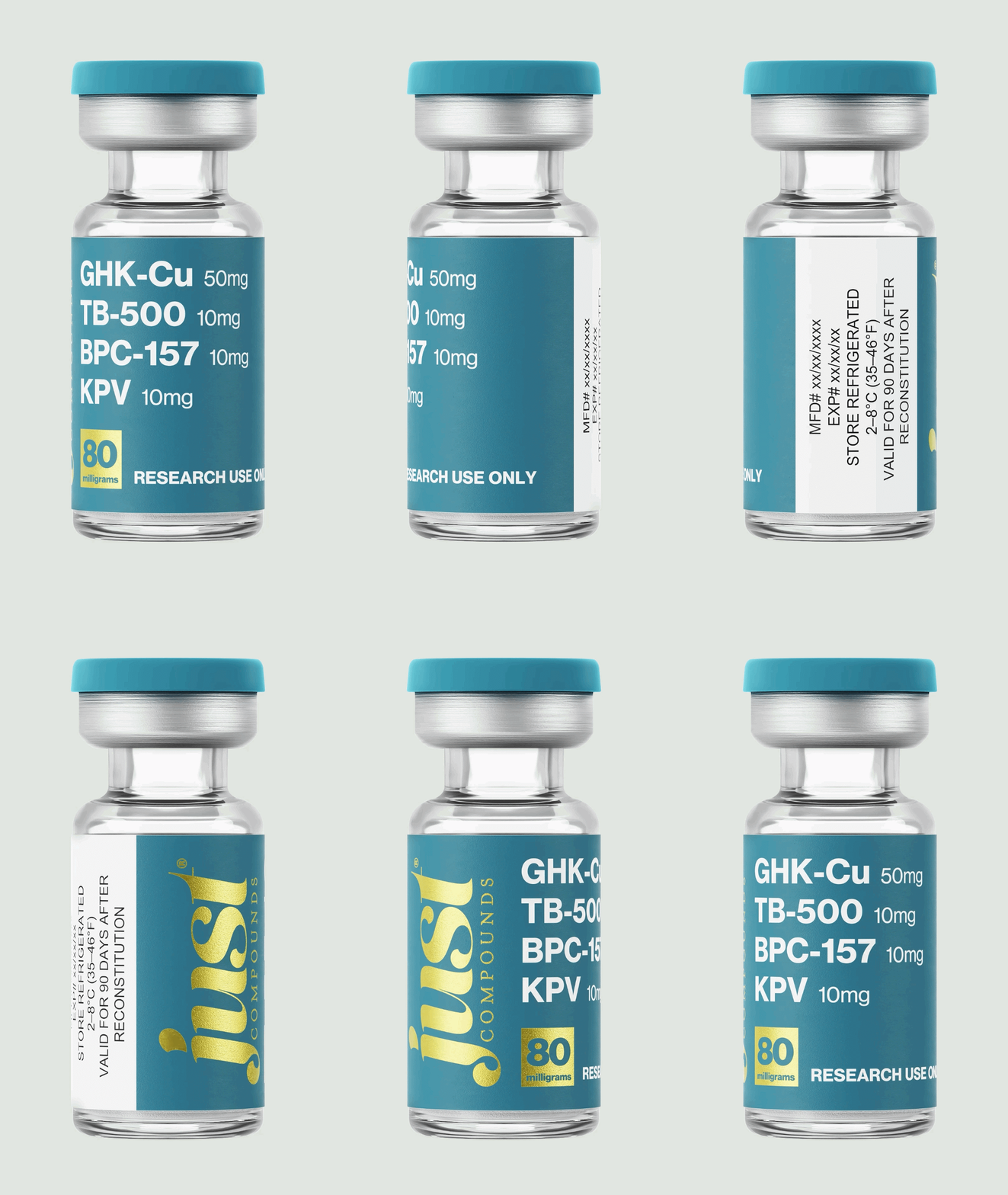

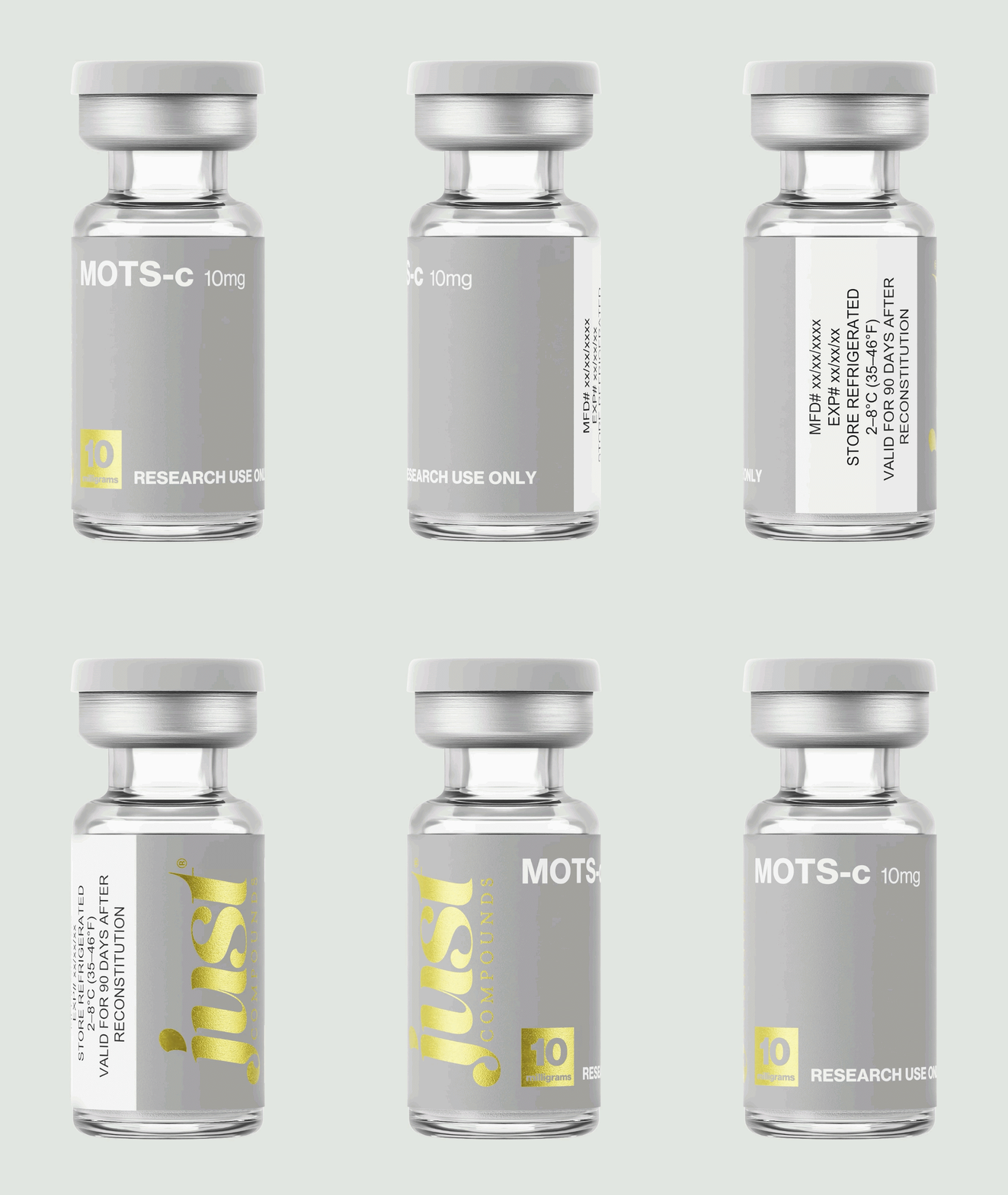

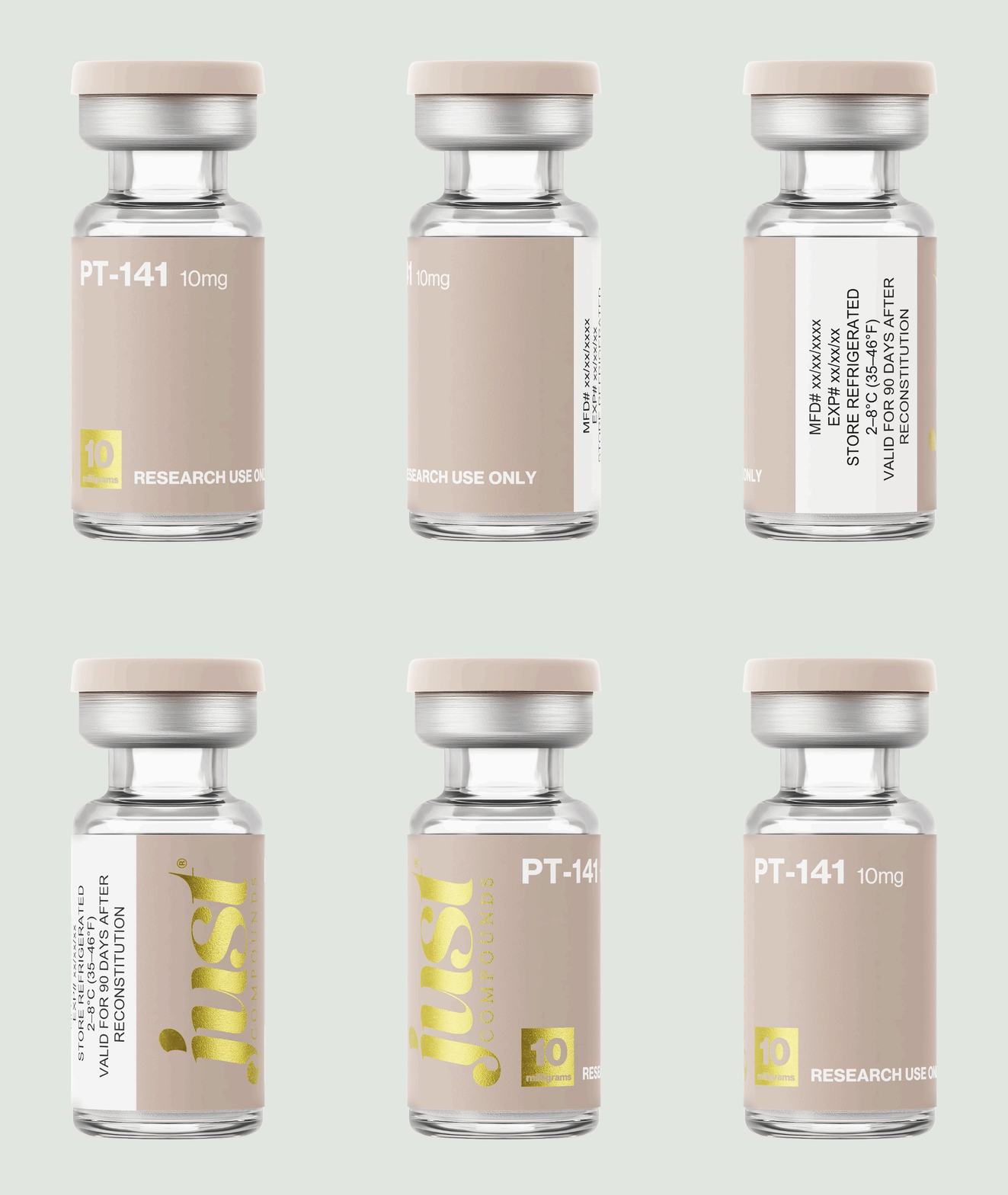

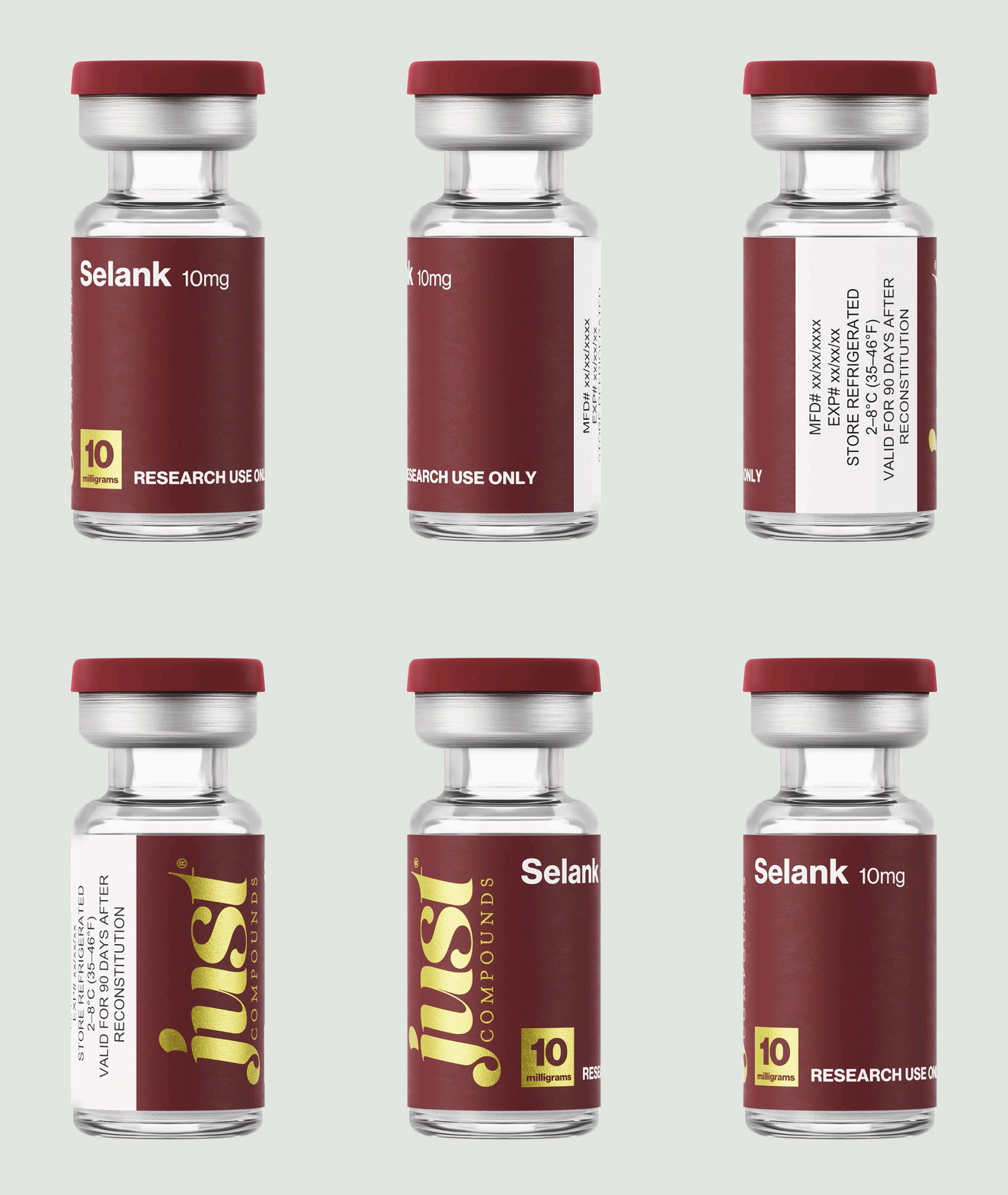

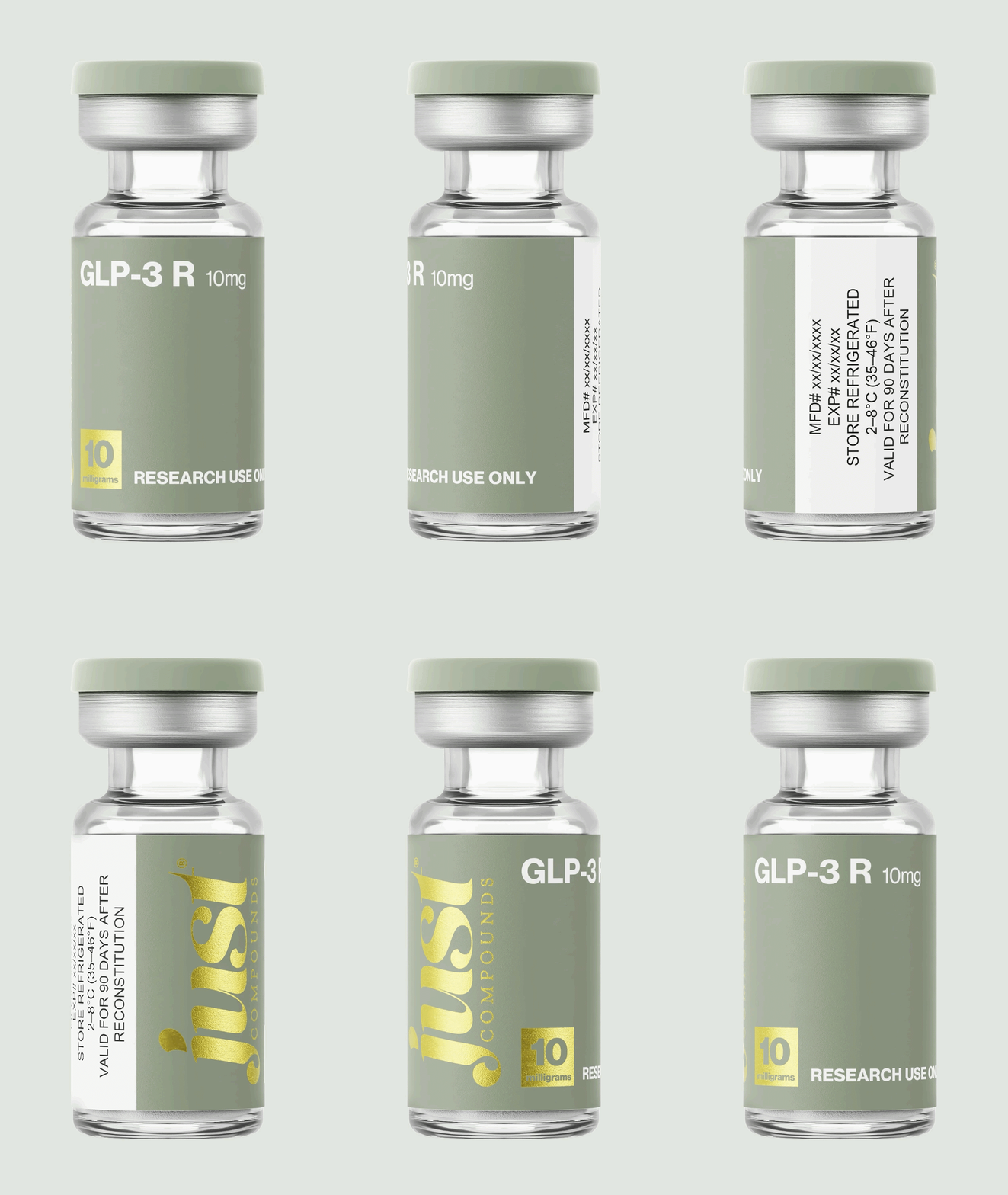
$59.99 – $149.99Price range: $59.99 through $149.99

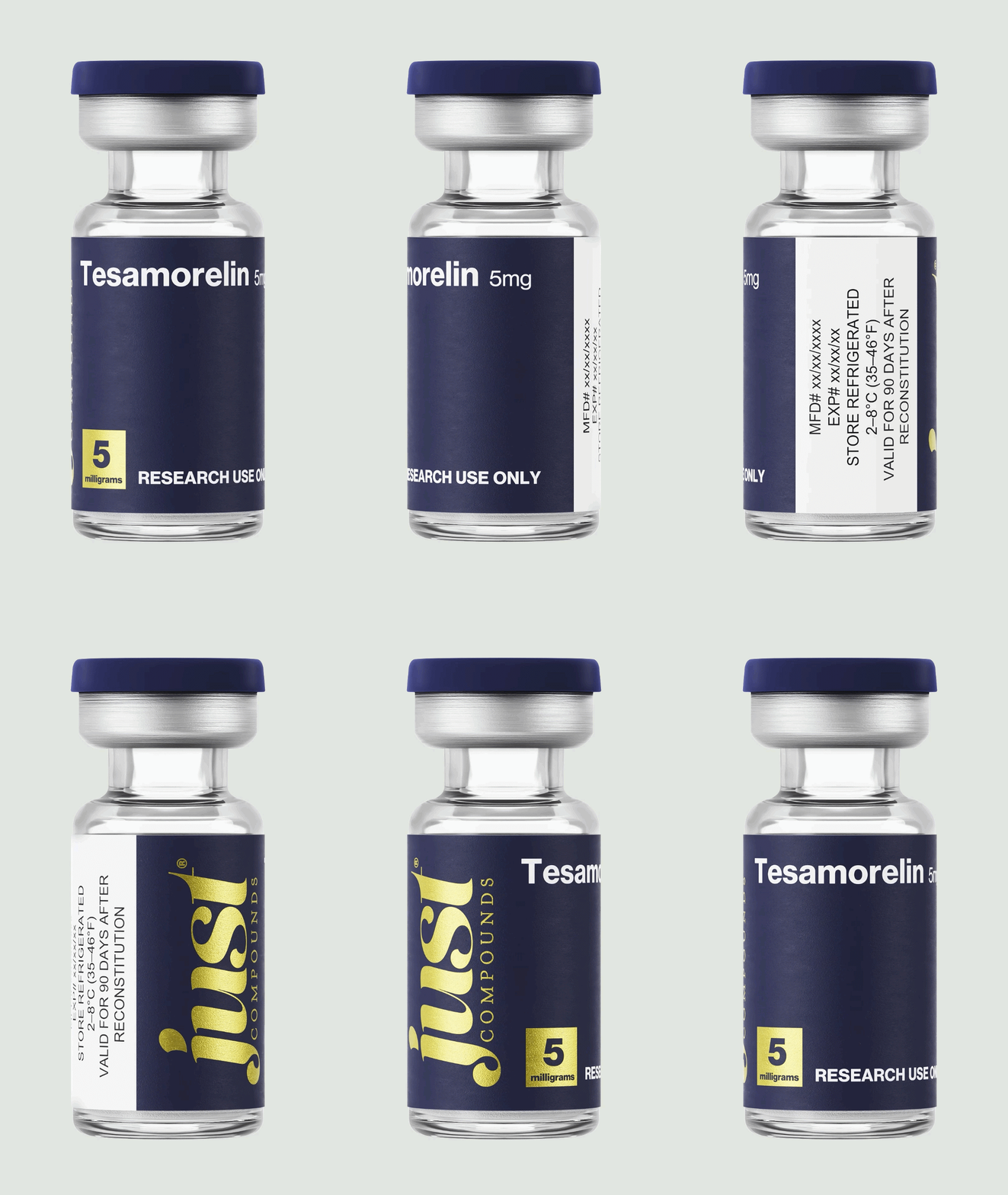
$44.99 – $159.99Price range: $44.99 through $159.99
Scientific Precision. Elevated Standards.
Just Compounds was created for researchers and laboratories seeking high-purity compounds, transparent testing, and a more refined research supply experience.
The brand combines scientific credibility with a more elevated product presentation, helping researchers navigate quality, documentation, and compound selection with greater confidence.
